Short answer
Georgia became the fourth state to ratify the U.S. Constitution on January 2, 1788, and Savannah was founded in February 1733. This page gives a 27-event Georgia timeline, each row with an official source, plus the state’s heritage trails and marker programs.
Download the data: CSV · JSON · Column definitions (27 events, free to reuse under CC BY 4.0 with a link to It’s Georgia).
Checked against each agency’s own page. Dates are written the way the source writes them; where two official pages differ by a day, we show both. Marker and trail counts are the ones those organizations print on their own pages.
Georgia history timeline
| When | What happened | Where | Source |
|---|---|---|---|
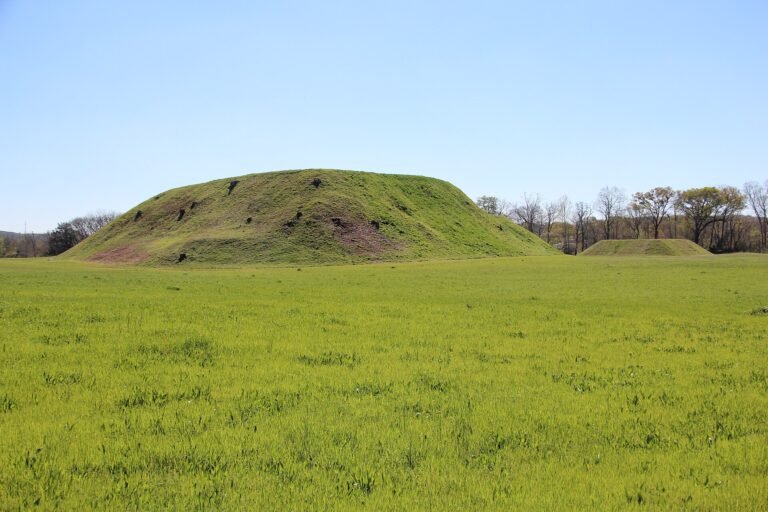
| before 9000 BC | Ice Age hunters were present at the Ocmulgee site, and people lived there until around 1715 AD. | Macon | Georgia: Ocmulgee National Monument (NPS) |
| 900 to about 1350 | Mississippian peoples were the dominant culture at Ocmulgee; the late Mississippian village was lived in from about 1350 to the late 1600s. | Macon | Georgia: Ocmulgee National Monument (NPS) |
| 1000 to 1550 | Several thousand Native Americans lived at Etowah Indian Mounds, a Mississippian ceremonial complex of ritual and burial mounds. | Cartersville, Bartow County | Etowah Indian Mounds (Georgia State Parks) |
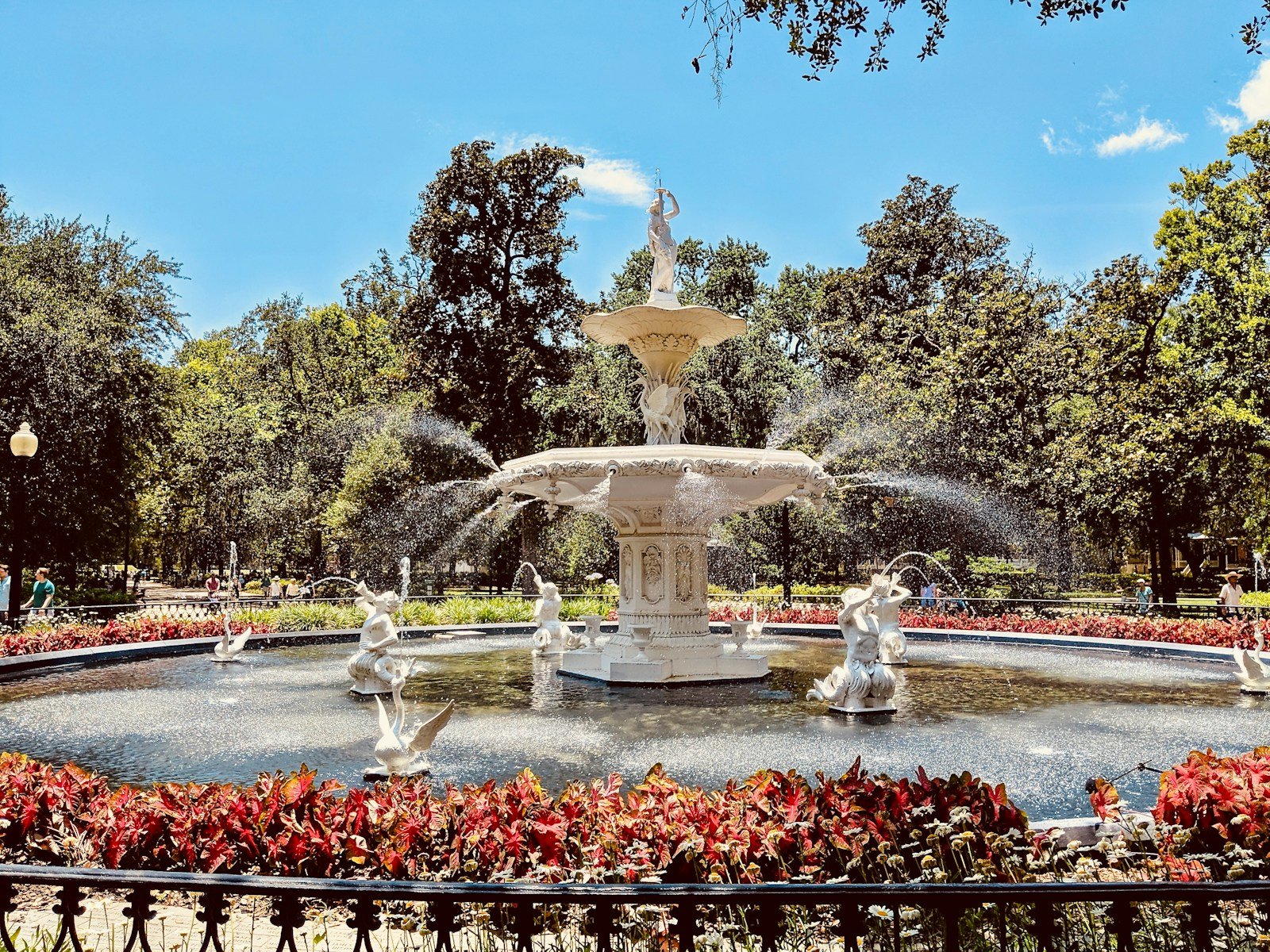
| February 1733 | Savannah was founded; settlers arrived on February 1 at Yamacraw Bluff, the site Oglethorpe chose. The Trustees' charter from King George II dated from 1732. | Savannah | Savannah, Georgia: The Lasting Legacy of Colonial City Planning (NPS) |
| 1736 | Three years after founding Georgia, General James Edward Oglethorpe established Fort Frederica on St. Simons Island. | St. Simons Island | Frederica Historical Background (NPS) |
| January 2, 1788 | Georgia became the fourth state to ratify the United States Constitution, in Augusta. | Augusta | Georgia's State Capital (Georgia Historical Society marker) |
| 1825 | The Cherokee national legislature established New Echota as its capital; the site later held the first Indian-language newspaper office. | Calhoun, Gordon County | New Echota State Historic Site (Georgia State Parks) |
| December 1835 | U.S. officials met a small Cherokee minority at New Echota; twenty signers ceded all Cherokee land east of the Mississippi, and the Senate ratified the treaty in May 1836 by one vote. | New Echota | What Happened on the Trail of Tears? (NPS) |
| May 1838 to March 1839 | Federal troops and state militias rounded up Cherokees into stockades from May 1838; by March 1839 all survivors had reached the west. | Cherokee lands in Georgia, Alabama and Tennessee | What Happened on the Trail of Tears? (NPS) |
| April 10-11, 1862 | U.S. forces began bombarding Fort Pulaski on April 10; the commander surrendered about 2:30 p.m. the next day. | Cockspur Island, near Savannah | Battle for Fort Pulaski (NPS) |
| September 18-20, 1863 | The Battle of Chickamauga was fought along Chickamauga Creek in north Georgia. | North Georgia (park at Fort Oglethorpe) | The Battle of Chickamauga (NPS) |
| Late February 1864 | The first prisoners arrived at Camp Sumter (Andersonville); about 45,000 Union soldiers were held there and nearly 13,000 died. | Andersonville, Sumter County | History of the Andersonville Prison (NPS) |
| June 27, 1864 | The Union attack at Kennesaw Mountain took place on the morning of June 27, as part of the 1864 Atlanta Campaign. | North and west of Marietta | Battle Detail, The Civil War (NPS) |
| July 22, 1864 | The Battle of Atlanta was fought, one of four inconclusive battles inside today's I-285 Perimeter (Peachtree Creek July 20, Atlanta July 22, Ezra Church July 28, Utoy Creek August 6). | Atlanta | The Battles for Atlanta (Georgia Historical Society marker) |
| September 2, 1864 | Atlanta fell to Union forces after they cut the last supply railroad at Jonesboro, August 31 to September 1. | Atlanta | The Battles for Atlanta (Georgia Historical Society marker) |
| November 15, 1864 | U.S. forces under General William T. Sherman set out from Atlanta on the March to the Sea, a march of over 250 miles. | Atlanta | Georgia Historical Society to Commemorate Beginning of Sherman's March to the Sea |
| December 1864 | Sherman's forces captured Savannah. The Georgia Historical Society marker gives December 21, 1864; the National Park Service's Fort Pulaski page says Sherman entered the city on December 22, 1864. | Savannah | March to the Sea: Savannah (Georgia Historical Society marker) |
| May 1865 | The Andersonville prison ceased operation after about fourteen months of use. | Andersonville, Sumter County | History of the Andersonville Prison (NPS) |
| September 3, 1868 | The Georgia House voted that 25 of its 29 Black members were not qualified to hold office; two Black senators were expelled on September 12. | Atlanta | Documenting Reconstruction and Civil Rights in Georgia's Records 1865-1870 (Georgia Archives) |
| September 19, 1868 | A rally in Mitchell County ended with about a dozen freedmen killed in the Camilla Massacre, one of the most violent episodes of Reconstruction in Georgia. | Camilla, Mitchell County | Camilla Massacre (Georgia Historical Society marker) |
| July 1870 | Georgia was readmitted to the Union for the second time; it had ratified the 15th Amendment in February. | Statewide | Documenting Reconstruction and Civil Rights in Georgia's Records 1865-1870 (Georgia Archives) |
| January 15, 1929 | Martin Luther King Jr. was born in the house at 501 Auburn Avenue NE. | Atlanta | Birth Home (NPS, Martin Luther King, Jr. National Historical Park) |
| April 12, 1945 | President Franklin D. Roosevelt died at the Little White House; he first came to Warm Springs in 1924, hoping to find a cure for polio. | Warm Springs, Meriwether County | Little White House Historic Site (Georgia State Parks) |
| July 25, 1946 | Two African American couples were beaten and shot by an unmasked mob at Moore's Ford Bridge on the Apalachee River. | Moore's Ford Bridge, Apalachee River | Moore's Ford Lynching (Georgia Historical Society marker) |
| March 15, 1960 | The first student sit-ins were held at 11 eating facilities in downtown Atlanta; 77 students were arrested. | Atlanta, Fulton County | Atlanta Student Movement (Georgia Historical Society marker) |
| November 1961 | The Albany Movement began at Shiloh Baptist Church; over two years 1,500 protesters were detained and Dr. King took part. | Albany, Dougherty County | Georgia Civil Rights Trail: The Albany Movement (Georgia Historical Society) |
| July 19 to August 4, 1996 | Atlanta hosted the Centennial Summer Olympic Games. | Atlanta | 1996 Summer Olympics: Games of the XXVI Olympiad (Georgia Historical Society marker) |
Heritage trails and marker programs
Four official programs tie Georgia’s historic places together. The Georgia Historical Society says it has erected and maintains more than 2,200 historical markers across the state and runs a searchable, map-based marker directory for them.
| Program | Run by | What it is | Official page |
|---|---|---|---|
| Georgia Civil Rights Trail | Georgia Historical Society | Roadside markers on civil rights history in Georgia from Reconstruction to the late 20th century; the trail page lists 73 markers. | Official page → |
| Civil War Historical Marker Initiative | Georgia Historical Society, with the Georgia Department of Economic Development and partners | Markers on Georgia Civil War history; the page lists 29 markers erected by the Society. | Official page → |
| Georgia Civil War Heritage Trails | Georgia Civil War Heritage Trails, Inc. | Driving routes that follow Civil War campaigns, including the Atlanta Campaign and the March to the Sea, with brochures. | Official page → |
| Trail of Tears National Historic Trail | National Park Service | Commemorates the Cherokee removal of 1838-1839 from Georgia, Alabama and Tennessee to Indian Territory. | Official page → |
Search the marker directory on the Georgia Historical Society’s Explore Georgia Historical Markers page. It covers the Society’s markers only; we found no other official statewide marker search.
Where to see this history
- Native American heritage: Ocmulgee Mounds in Macon (Macon guide) and Etowah Indian Mounds and New Echota in northwest Georgia (Northwest Georgia parks and historic sites).
- Colonial coast: Savannah and Fort Frederica on St. Simons Island (Savannah visitor guide).
- Civil War: Kennesaw Mountain, Chickamauga, Andersonville and Fort Pulaski. See the Georgia landmarks list for the agency page of each National Park Service unit.
- Civil rights and presidents: Martin Luther King, Jr. National Historical Park in Atlanta (Atlanta things to do) and the Little White House at Warm Springs.
- National Historic Landmarks: 43 more are listed with city and county on the Georgia landmarks page.
What we could not verify
- The Georgia Civil Rights Trail page says “nearly fifty” markers exist plus four new ones, yet lists 73 entries, so we quote the 73 as the page’s list, not as a settled count.
- Separate construction dates for individual mounds at Etowah or Ocmulgee: the pages we read give only the spans people lived there.
- The exact day of the Treaty of New Echota: the National Park Service page says only December 1835.
- Counties for the Chickamauga and Kennesaw Mountain battles: the National Park Service pages do not name one.
- The Georgia Civil War Heritage Trails organization’s legal status and the length of each trail: its own pages do not say.
FAQ
When did Georgia become a state?
Georgia became the fourth state to ratify the United States Constitution on January 2, 1788, according to the Georgia Historical Society marker in Augusta.
When was Savannah founded?
Settlers arrived at Yamacraw Bluff on February 1, 1733, the site General Oglethorpe chose, according to the National Park Service.
What happened at New Echota?
The Cherokee national legislature made New Echota its capital in 1825, and in December 1835 U.S. officials signed a treaty there with a small Cherokee minority that ceded all Cherokee land east of the Mississippi. Georgia State Parks runs the site today.
How many people were held at Andersonville?
The National Park Service says about 45,000 Union soldiers were held at Camp Sumter, the Andersonville prison, and nearly 13,000 died there. The prison ceased operation in May 1865.
When was Martin Luther King Jr. born, and where is the house?
He was born January 15, 1929, in the house at 501 Auburn Avenue NE in Atlanta, which the National Park Service lists as the Birth Home in Martin Luther King, Jr. National Historical Park.
How many historical markers does Georgia have?
The Georgia Historical Society says it has erected and maintains more than 2,200 historical markers across the state; its searchable directory covers only its own markers.
How we checked this guide: Dates, hours, admission and parking prices, and access details were verified against the official sources listed below on . Operators change schedules and raise prices without notice, so confirm anything time-sensitive before you drive. The figures in this guide also feed our Georgia Attraction Transparency Index and Family Day-Out Cost Index.
Sources
- National Park Service: Ocmulgee Mounds, Savannah, Fort Frederica, Fort Pulaski, Chickamauga, Andersonville, Kennesaw Mountain, Trail of Tears, MLK Birth Home
- Georgia State Parks & Historic Sites: Etowah Indian Mounds, New Echota, Little White House
- Georgia Historical Society: historical markers and Georgia Civil Rights Trail
- Georgia Archives: Documenting Reconstruction and Civil Rights in Georgia’s Records 1865-1870

Hank Whitlock is the pen name of the It's Georgia editor. Every guide is built around the questions a busy family actually asks before a trip: how long is the drive, what does parking cost, can the stroller make it, are dogs allowed. Details are checked against official park, city, and venue sources, and each guide shows the date it was last updated.
More from Things to Do


Cite this page: It's Georgia, “Georgia History and Heritage: A Sourced Timeline, Trails and Historic Markers”, itsgeorgia.com/things-to-do/georgia-history-and-heritage/ (updated ). Free to quote with attribution and a link to this page.